
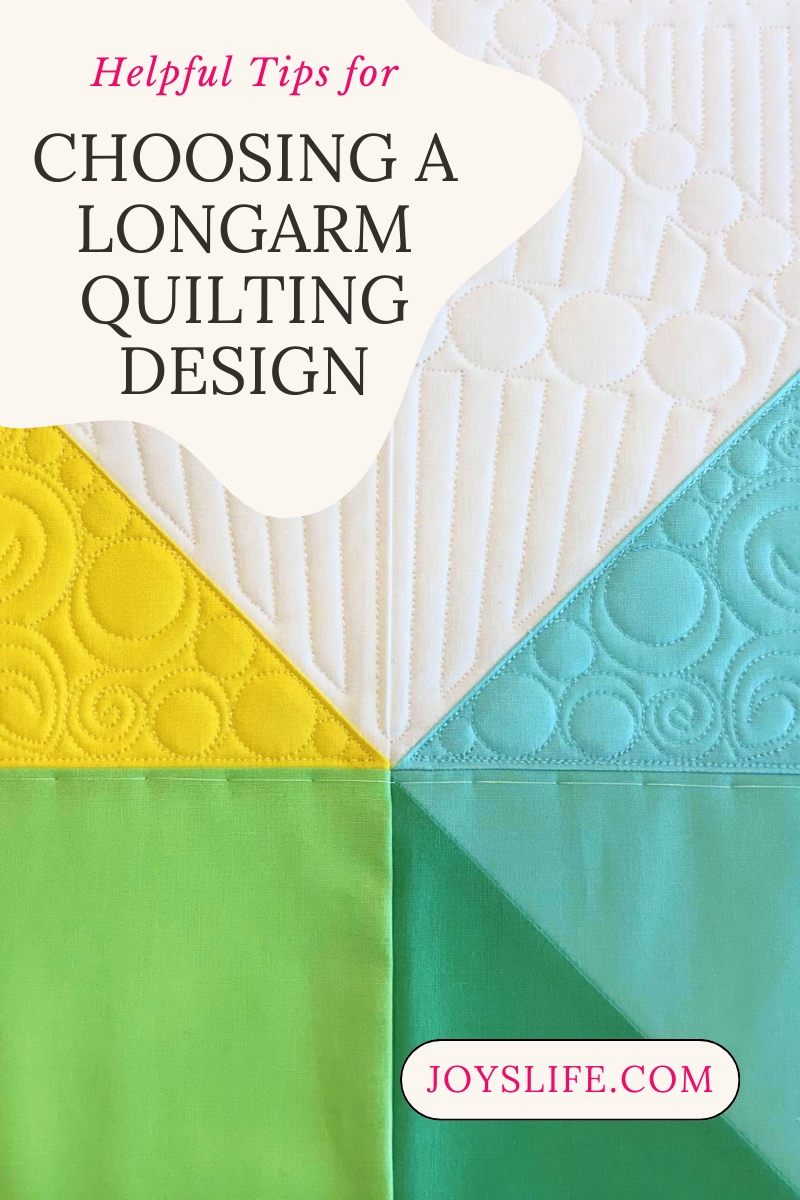
Struggling to choose a longarm quilting design for a quilt you love? You are not alone. These practical tips will help you find a quilting design that truly fits your quilt’s purpose, style, and recipient.
Why Choosing a Quilting Design Feels So Hard
It happens to all of us.
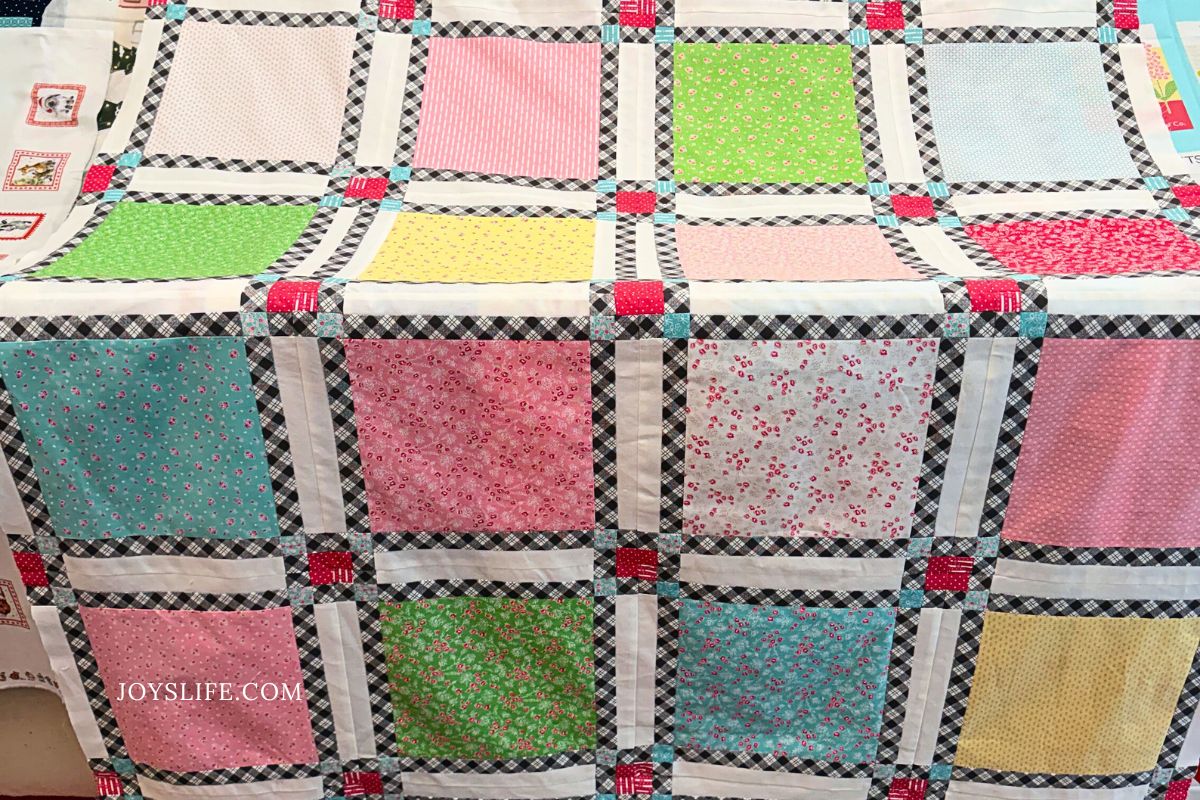
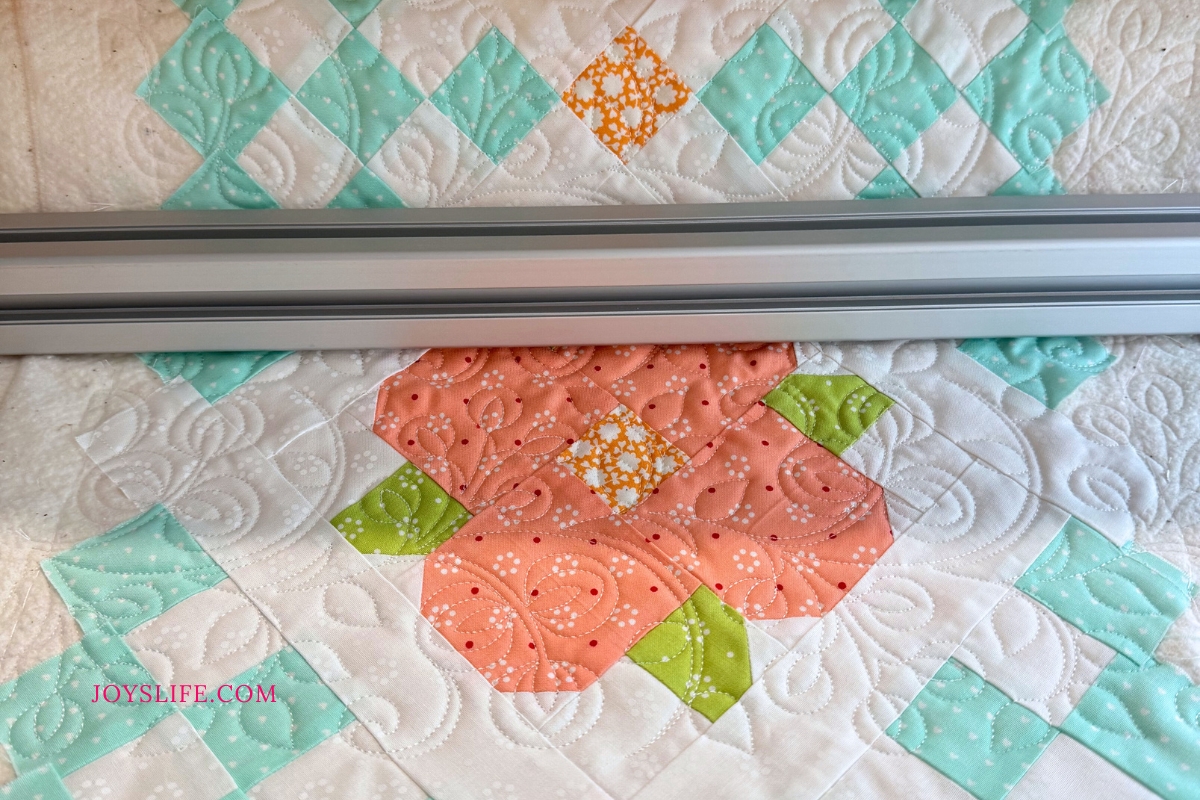
We make a quilt top we love and just STRUGGLE to find the perfect design for quilting it. Ugh! I am a longarmer, and I run into this problem too. Choosing a longarm quilting design is often harder than piecing the quilt. For example, below is a lattice quilt that I made. I still need to add some borders, but I halted while I pondered just WHAT kind of quilting do I want?
Quilting is not just decorative stitching. It is practical, because it holds the layers of a quilt together. But it is also beautiful, because it finishes telling the story of the quilt. Many things can be altered to create that final look, from the design choice to the density, thread type, and thread color. Even the batting plays a role in the process, but we will save that for another day since it is a topic all its own.
The quilting design affects how the quilt looks, feels, drapes, washes, and holds up over time.
There is rarely one perfect choice. There are many good choices. That is exactly why it feels overwhelming.
If You Are Feeling Stuck, Ask Yourself These Five Questions
When so many options could work, deciding what to quilt can feel almost impossible, like that perfect choice is just hiding somewhere. Instead of scrolling through endless designs (and inevitably getting sidetracked), I step back and ask a few simple questions about the quilt in front of me. Those answers almost always lead me to the design that feels right.
1. How Will the Quilt Be Used
Start by thinking about how the quilt will actually live its life.
Is this a throw for everyday use? For a bed? A baby gift? A wall hanging or display piece?
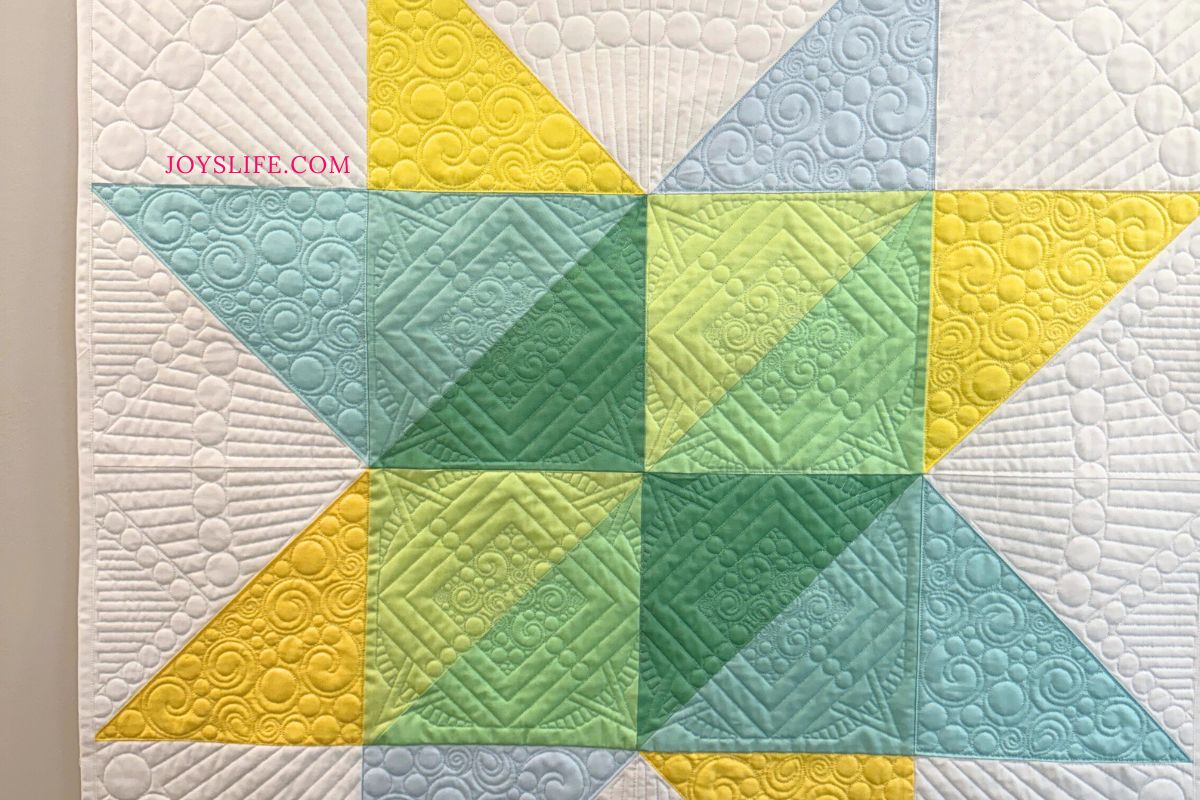
In the photo above, you are seeing a simple quilt that I pieced and then custom quilted. This is an example of dense quilting, and I have it hanging on the wall in my quilt studio. I chose block and triangle designs from several designers and made something I truly enjoy looking at and had so much fun creating!
In general, the denser the quilting, the firmer and less drapey the quilt will feel, while wider spaced quilting keeps it softer and more flexible.
For everyday quilts, many people prefer that cozy softness for snuggling on the couch or sleeping under.
Denser quilting creates a more structured look and highlights the stitching itself, which can be beautiful for wall quilts, heirloom pieces, or quilts meant for display or entering into shows.
Some people prefer that added weight and structure on a bed. It all comes down to the feel you enjoy.
There is no right or wrong choice. The best design is the one that supports how the quilt will be used and how you want it to feel!
2. Who Is the Quilt For
The person receiving the quilt can tell you more about the right quilting design than you might expect.
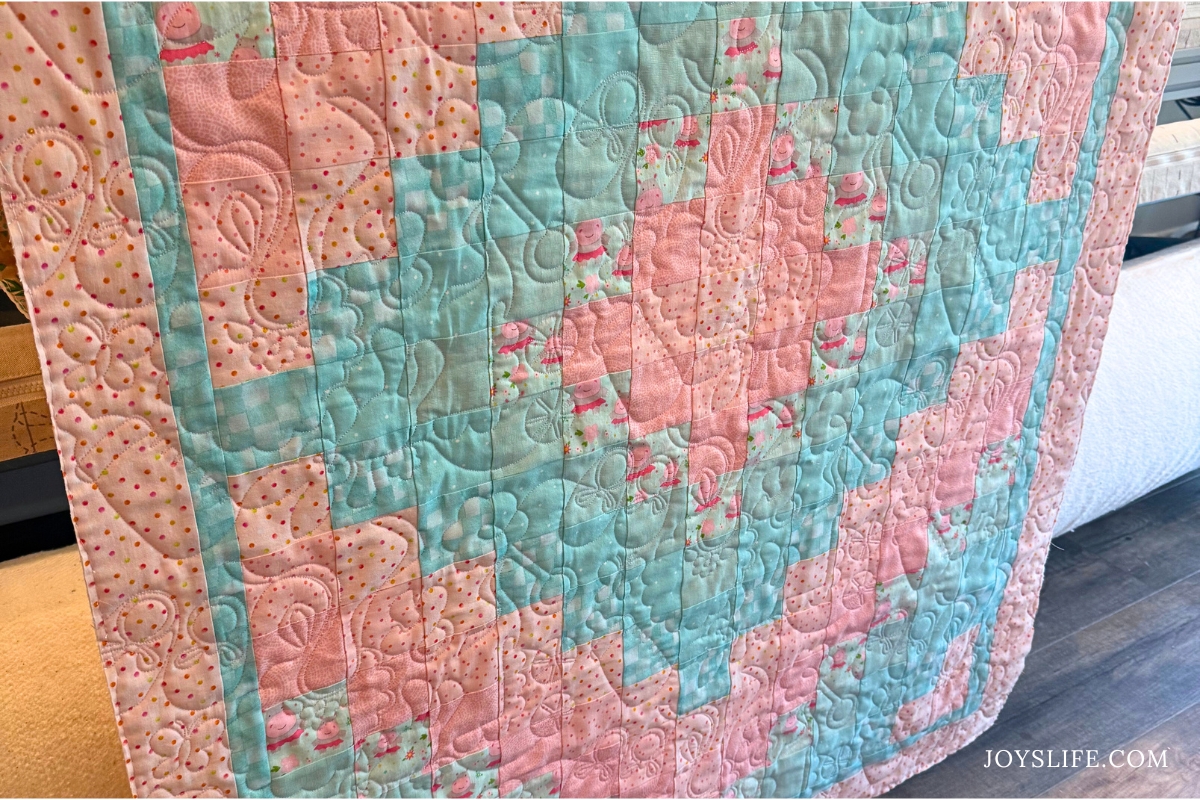
- A quilt made for a child is a great place to have some fun with playful, whimsical designs. For the quilt I longarmed in the photo above, I used a design called “Baby Girls,” which was an easy choice with its sweet little rattles, baby shoes, and pacifiers. It already had a funny hippo fabric, so this choice kept its light spirt.
- For more masculine styles, consider clean lines or geometric designs. They’re often a great pairing.
- If the quilt is intended for something like a Quilts of Valor presentation, there are specific guidelines to keep in mind. They should not be overly dense designs (since very heavy quilting can reduce loft and comfort) and can be of any design suitable for a patriotic theme. Learn more about making Quilts of Valor.
- If the quilt has a romantic or vintage vibe, soft curves, florals, or flowing patterns can complement it beautifully and enhance that gentle, nostalgic feel.
These are not rules, just starting points. (Well, except Quilts of Valor, they actually have rules.)
When you know the person, the direction often becomes much clearer. Think about their personality, interests, and the place where the quilt will live. What makes them happy? What do they love? Sometimes the perfect design has nothing to do with tradition and everything to do with what will make them smile.
There is absolutely nothing wrong with choosing a design simply because the recipient loves it. Quilts are meant to bring joy!
If you are looking for ideas, browsing quilting design libraries can help you discover motifs you may not have considered. Seeing a wide range of options often sparks the “that’s the one” moment.
Here are a few great places to explore edge to edge and pantograph designs:
Sometimes just scrolling through options is all it takes for the perfect idea to jump out.
3. Is There a Theme or Overall Style
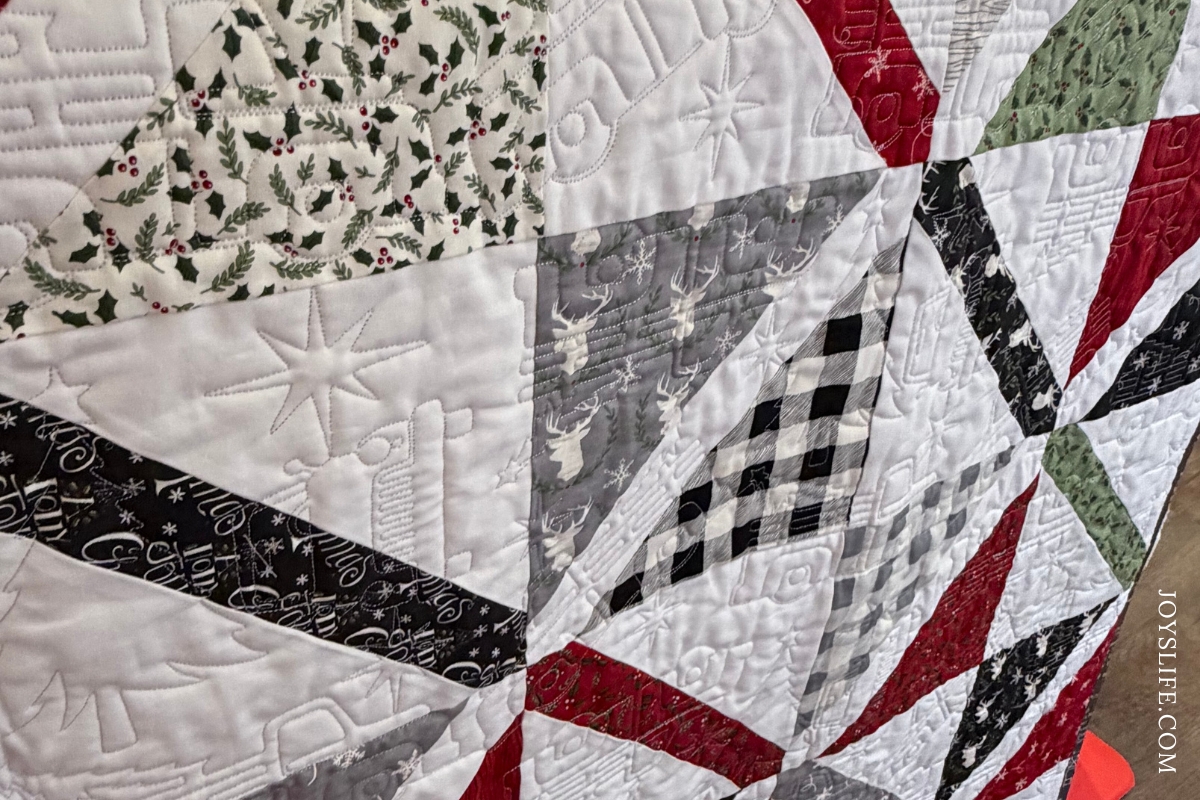
The quilt in the photo above is mine. It has a Farm Girl Vintage Steel fabric by Lori Holt on the back. It is a Christmas quilt with a country feel. I made it because we live in the country and it’s the kind of place you put a fresh cut Christmas tree in your truck and drive it home. So, I used a quilting pattern (Christmas Tree Truck by Anne Bright Designs) that matches that. Not every quilt has a literal theme, but almost every quilt has a feeling.
Here are some common styles:
- Modern
Simple shapes, lots of negative space, high contrast, or minimal color palettes. Modern quilts often pair well with clean lines, geometric designs, or understated textures. Here’s an example of a geometric design on a playful modern quilt. - Traditional
Classic quilt blocks, familiar layouts, and time-honored color combinations. Traditional quilts often suit timeless motifs like feathers, loops, or balanced all-over designs. - Vintage Inspired
Soft colors, reproduction prints, or designs that feel nostalgic or heirloom-like. Gentle curves, florals, or delicate quilting patterns usually complement this style beautifully. - Bold and Graphic
Strong contrast, large shapes, and eye-catching layouts. These quilts can handle confident quilting designs that echo the movement or structure of the piecing. - Soft and Cottage Style
Light, airy colors, florals, and a cozy handmade feel. Flowing or organic quilting designs tend to enhance the relaxed, comforting look.
Your quilting design can reinforce that style or intentionally contrast with it. There are no actual rules. You get to decide! Make it what YOU want it to be!
4. What Is the Quilt Top Already Telling You?
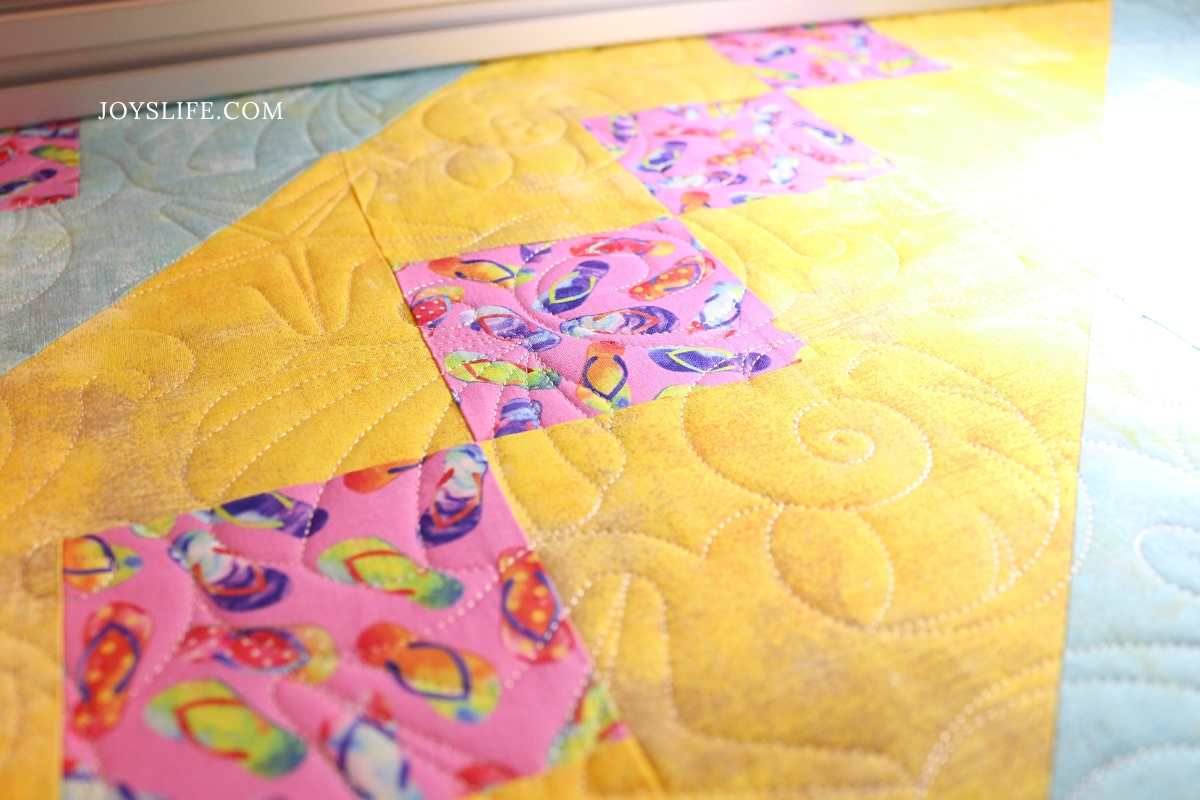
Sometimes the quilt itself gives the best clues. For example, I made the quilt above for a little girl who was very ill and dreamed of going to the beach soon. I used flip flop fabric, so choosing a seashell quilting design helped complete the story. (By the way, she did go to the beach and she took her quilt with her.)
Step Back & Shoot
If you don’t have an obvious motif, step back and look at it from across the room. Does something about it stand out?
My favorite tip is to take a photo and view it on your phone. Seeing the quilt flattened in a photo often reveals the overall mood and movement more clearly. I always do this, and I used to recommend it to customers when I worked in a quilt shop. They always found it helpful!
Try Color Evaluation Tools
Did you know they make glasses that can help you notice contrasting colors? Check out these color evaluator glasses with red and green lenses and see if they help. I have some and have found them to be helpful for some of my projects. They reduce color distraction so you can see contrast, value changes, and overall composition more clearly.
When you remove the distraction of color, the structure of the quilt becomes much easier to read.
Look for Hidden Motifs
Once you step back or look at the quilt in a different way, you may start noticing themes that were not obvious at first. Sometimes one type of shape or pattern appears more often than expected, and that can guide the overall direction for the quilting.
- Flowers or vines
- Leaves or nature elements
- Triangles or geometric shapes
- Animals or playful prints
- Repeating textures or movement
These details can naturally guide your quilting choice.
- Flowing floral fabrics often pair beautifully with soft curves or organic designs.
- Bold geometric piecing looks great with clean, structured quilting.
- Nature prints may work well with leaves, wind, or water inspired designs.
- Animal themes can invite playful textures like paw prints or fur like patterns.
Sometimes you even discover the quilt feels more modern, traditional, whimsical, or elegant than you originally thought.
5. Is This Quilt Going Into a Judged Show
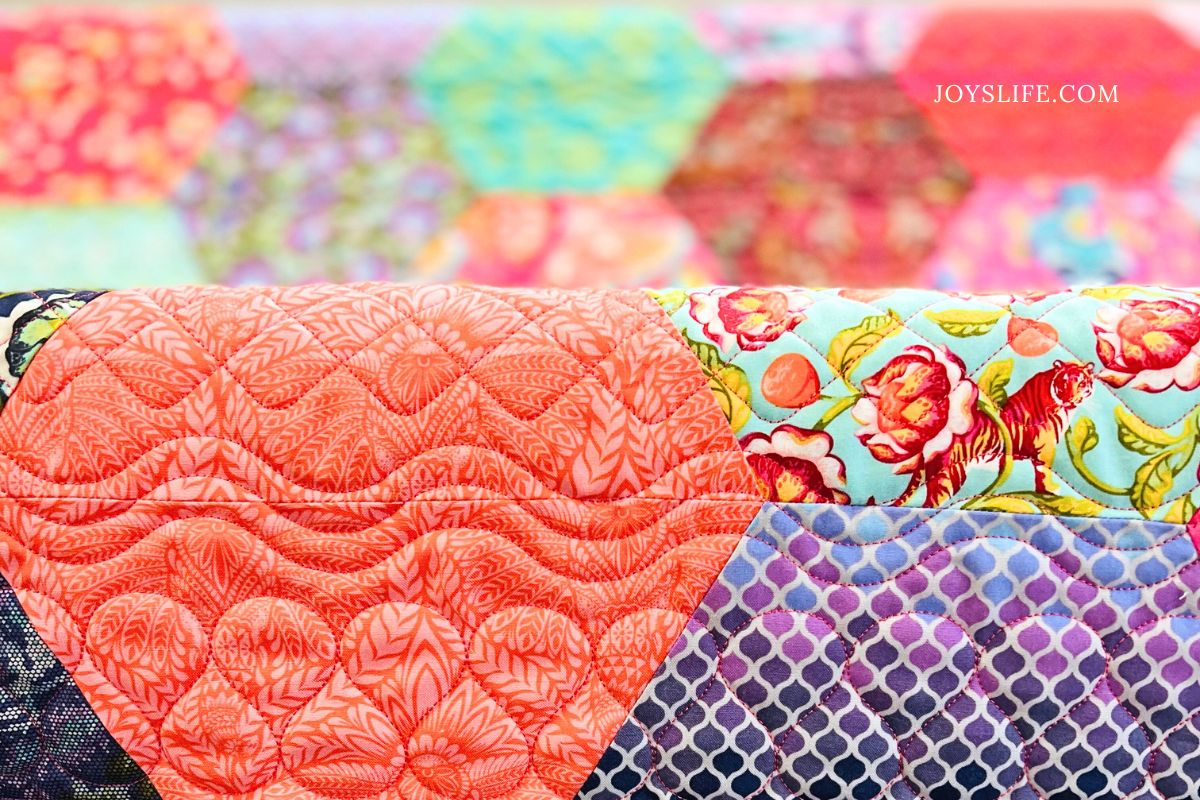
If this quilt might end up in a judged show, that can really shift how you think about the quilting.
Quilts in competition are evaluated differently than everyday quilts. Judges look closely at consistency, stitch quality, and how well the quilting supports the piecing. So choose your longarmer carefully. Let them know the quilt is intended for a show and ask whether they are comfortable quilting show pieces.
In shows, both complex and simple quilting can absolutely win awards. What matters most is that the quilting looks intentional and well executed.
If a judged show is part of your plan, start with learning the rules of the show. There are a few extra details to consider beyond the quilting itself. This video offers helpful insight on how to prepare a quilt for competition and what judges may be looking for.
Trust Your Instincts
Choosing a longarm quilting design is not just technical. It is creative and personal.
Even experienced quilters struggle here sometimes. That does not mean anything is wrong. It means real thought is going into the finished piece, and that is simply part of the creative process.
After quilting many quilts over the years, one thing has become clear: there is rarely a single perfect design, but there is usually one that feels just right for that quilt … or at least right-er or right-est.
The best choice is the one that suits the quilt’s purpose, honors the person it is for, brings joy, and completes the story that began when the quilt top was pieced.
The quilting is what brings the whole piece together and turns it from a beautiful top into a finished quilt, ready to love, enjoy, and be proud of.
More Quilting & Sewing Ideas
If you enjoyed this post, these quilting projects and tips might inspire you too:
Longarm Quilt Fleece Fabric with Batting
Learn how to longarm quilt fleece with batting for an extra warm, durable finish and beautiful texture.
Pink and Red Valentine Heart Quilt
See how this sweet heart quilt came together, including the quilting design that gives it cozy movement and charm.
How to Create Fabric Scrap Storage
An easy, color-coded system for organizing fabric scraps so they are ready to use for future projects.
UPS for Sewing Machines
Learn why I added a UPS to my sewing room and how it protects machines like my longarm from power issues.
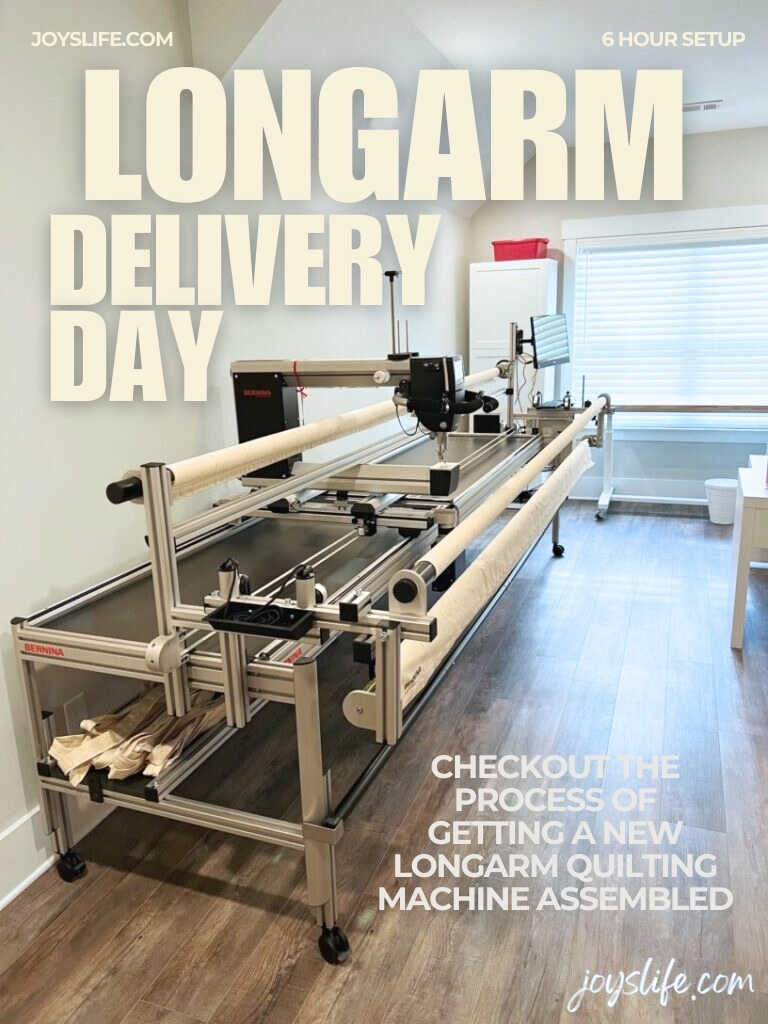
Longarm Delivery Day
Take a look at the day my longarm arrived and how I set up my quilting space.
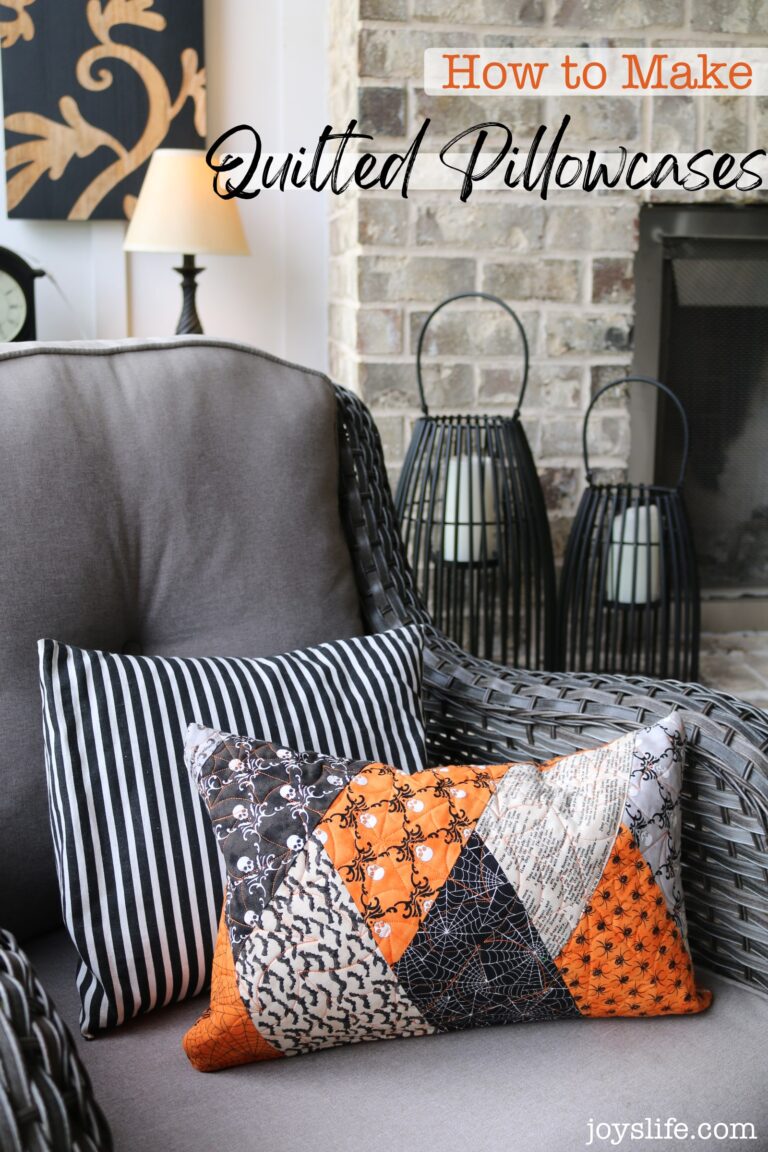
How Much Fabric for Pillowcases
A quick guide to fabric yardage for standard, queen, and king pillowcases.